7 Nutrient-Rich Foods to Keep Around
What the 2022 Review Actually Found
The U.S. Preventive Services Task Force reviewed 84 studies covering many vitamin, mineral, and multivitamin supplements. For routine multivitamin use, it concluded that there was not enough evidence to say whether taking one prevents cardiovascular disease or cancer.
That is different from saying multivitamins have no effect on anything. The task force also specifically advised against beta-carotene and vitamin E supplements for preventing heart disease or cancer. For routine multivitamins, the evidence was simply insufficient to show disease prevention.
Important Newer Evidence: The COSMOS Trials
Since the 2022 USPSTF review, several COSMOS randomized trials in adults 60 and older found modest cognitive benefits from a daily multivitamin-mineral supplement.
More recent COSMOS trials found small improvements in global cognition and episodic memory with daily multivitamin use in older adults. That does not mean a multivitamin prevents dementia, and it does not replace a nutritious diet.
The MCI/dementia incidence analysis did not show a significant reduction in new MCI or dementia over three years, so these findings should be understood as a modest signal for memory rather than a medical cure.
7 Nutrient-Rich Foods to Keep Around
These seven foods bring together protein, minerals, healthy fats, and protective plant nutrients that work as part of regular meals.
Eggs
Eggs provide protein plus nutrients including vitamin B12, riboflavin, choline, selenium, and some vitamin D.
Do not call an egg "a multivitamin with a shell." It is simply a practical, versatile food that provides high-quality protein and several micronutrients in one package.
Learn more about yolks, cholesterol, and how eggs fit into an eating plan in our guide: Eggs After 60: Protein, Yolks, and Cholesterol.
Canned Salmon With Bones
Canned salmon with soft edible bones can provide protein, calcium, vitamin D, and omega-3 fatty acids.
Do not imply it replaces vitamin D supplementation for everyone. Calcium and vitamin D amounts vary by product, so checking package labels is always helpful.
Explore bone-supportive foods in our companion guide: 7 Foods That Support Bone Health After 60.
Oysters
Oysters are particularly rich in zinc and vitamin B12 and also provide copper and iron. They are a standout example of something a food can provide in concentrated amounts.
You do not need to eat oysters if you dislike shellfish, have allergies, or follow dietary restrictions. Shellfish allergies and sodium considerations apply, so only include them if they fit your preferences.
Dark Leafy Greens
Leafy greens can contribute folate, vitamin K, magnesium, carotenoids such as lutein, and fiber. Familiar choices include spinach, kale, and chard.
Medication note:
People taking warfarin should keep vitamin K intake consistent and discuss major dietary changes with their clinician or pharmacist. Do not broadly warn about every blood thinner.
Beans and Lentils
Beans and lentils provide folate, magnesium, potassium, iron, plant protein, and fiber. Fiber is a prominent example of something a typical multivitamin does not meaningfully provide.
There is no need to eat a rigid serving every single day. Adding black beans, chickpeas, or lentils to soups, salads, or bowls a few times each week is a practical way to build up intake.
Berries
Berries provide vitamin C, fiber, and a variety of plant compounds such as polyphenols. Whole foods provide a complex mixture of nutrients and plant compounds that is different from an isolated vitamin tablet.
Frozen berries count just as well as fresh and are often more budget-friendly and convenient year-round.
Almonds and Walnuts
Almonds are a useful source of vitamin E and magnesium. Walnuts provide healthy fats, including alpha-linolenic acid, a plant omega-3 fatty acid.
The USPSTF recommendation against vitamin E supplementation is specifically about using isolated pills to try to prevent cardiovascular disease or cancer. It does not mean vitamin E-containing foods are harmful. Whole nuts provide naturally occurring nutrients alongside fiber and protein.
What a Multivitamin Does Not Provide Well
A multivitamin can add nutrients. It cannot replace the job of an overall eating pattern. Here are key elements a daily pill does not meaningfully supply:
- Substantial protein: Crucial for maintaining muscle and strength after 60.
- Meaningful fiber: Supports digestion, satiety, and cardiovascular health.
- Enough calories: Someone with low food intake or unintentional weight loss needs actual food energy, not just micronutrients.
- Healthy fats: Essential fatty acids that support cellular function and nutrient absorption.
- Hydration: Fluid balance that supports kidney function, energy, and joint comfort.
- A wide variety of whole-food phytochemicals: Thousands of naturally occurring plant compounds working in combination.
When Supplements May Still Make Sense
Individualized supplementation may be appropriate in a variety of situations. Common examples include:
- Documented vitamin B12 deficiency
- Low vitamin D levels
- Limited food intake or low appetite
- Malabsorption conditions or digestive disorders
- Restrictive diets
- Clinically recommended calcium or vitamin D
- Iron deficiency when clinically diagnosed
- Certain medications or surgeries that affect nutrient absorption
The right supplement depends on the reason you need it. A blood test, medical history, diet, and medications can matter more than age alone.
Vitamin B12 and Vitamin D After 60
B12 After 60
Vitamin B12 deserves special attention with age because absorption can become less efficient, especially with certain medications or digestive conditions. Some adults may need fortified foods or a supplement.
Do not claim everyone over 50 needs B12 pills. Instead, discuss your levels and diet with your healthcare provider to determine whether testing or supplementation is right for you.
Vitamin D After 60
Vitamin D is difficult to get from food alone for many people. Whether a supplement is appropriate depends on intake, sun exposure, blood levels, bone health, and clinician guidance.
Do not promise vitamin D prevents falls, cancer, or heart disease. It supports bone metabolism and overall health, but it is not a cure-all.
Food First Does Not Mean Food Only
Food first means building meals around nutrient-rich foods before relying on pills to make up for a poor diet. It does not mean supplements are always unnecessary. Sometimes a targeted supplement is exactly the right tool.
Practical Grocery List
A simple, non-scored list of nutrient-dense staples to consider picking up on your next grocery trip:
- Eggs
- Canned salmon or sardines
- Oysters or another seafood option if desired
- Dark leafy greens
- Beans or lentils
- Fresh or frozen berries
- Almonds or walnuts
CC Matthews
Founder & Lead Coach, After 60 Coach
Written and demonstrated by CC Matthews. After 60 Coach provides general fitness education, not medical advice.
Last reviewed: October 2026
Related Guides
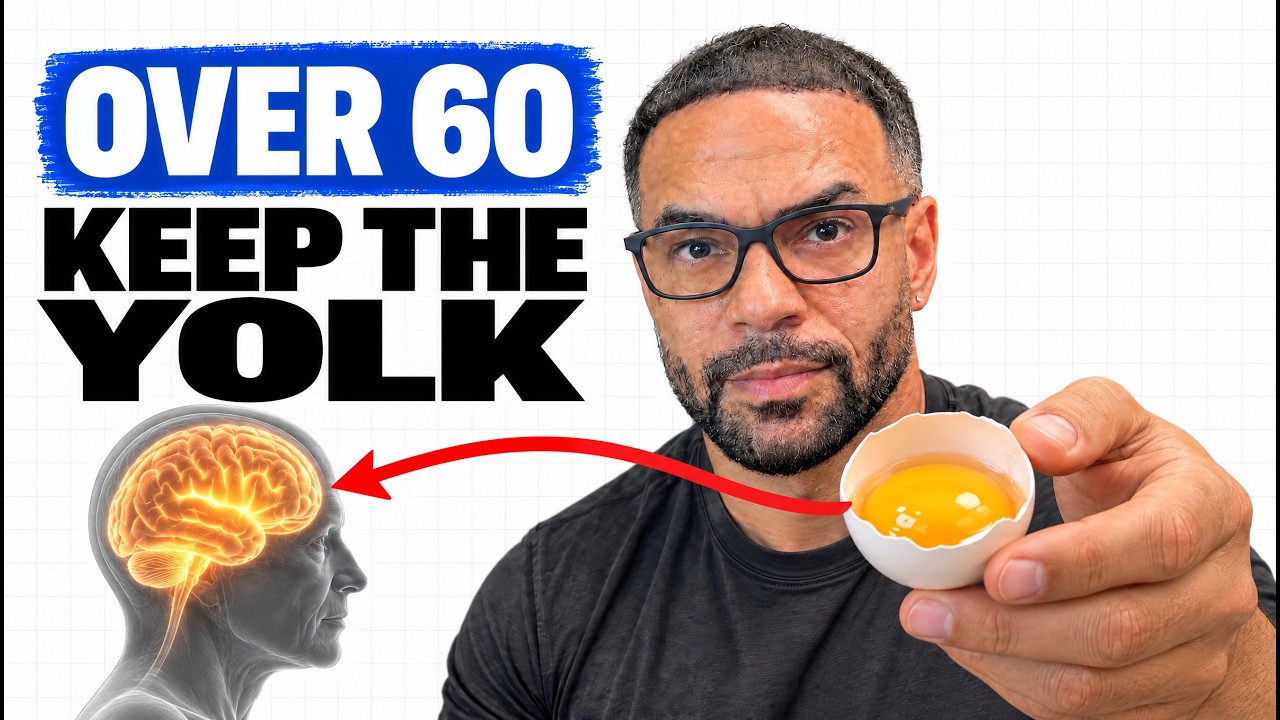
Eggs After 60: Protein, Yolks, and Cholesterol
A practical look at eggs, protein, egg yolks, cholesterol, and how they fit into a balanced diet for adults over 60.
Read guide
High-Protein Foods After 60
Simple, protein-rich foods that support strength, muscle, and everyday function after 60, with Coach CC Matthews.
Read guide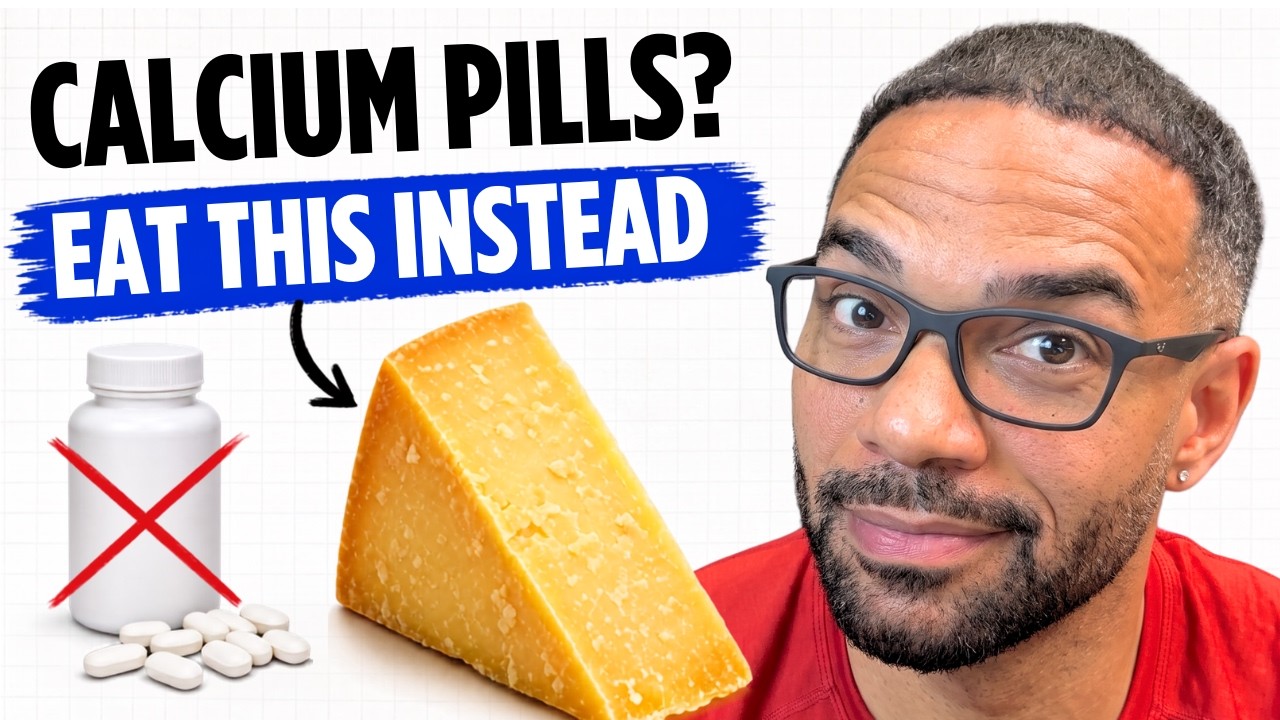
7 Foods That Support Bone Health After 60
Practical foods that provide calcium, protein, vitamin D, magnesium, and other nutrients involved in bone health.
Read guideSources & References
- USPSTF 2022 evidence summary: https://www.uspreventiveservicestaskforce.org/uspstf/document/final-evidence-summary/vitamin-mineral-and-multivitamin-supplementation-to-prevent-cardiovascular-disease-and-cancer-preventive-medication
- USPSTF recommendation: https://www.uspreventiveservicestaskforce.org/uspstf/recommendation/vitamin-supplementation-to-prevent-cancer-and-cvd-preventive-medication
- NIH Office of Dietary Supplements multivitamin/mineral fact sheet: https://ods.od.nih.gov/factsheets/MVMS-Consumer/
- COSMOS cognition meta-analysis: PubMed PMID 38240591
- COSMOS-Web memory trial: PubMed PMID 37244291
- COSMOS-Mind: PubMed PMID 36102337
- NIH Office of Dietary Supplements — Zinc fact sheet: https://ods.od.nih.gov/factsheets/Zinc-HealthProfessional/
- NIH Office of Dietary Supplements — Vitamin B12 fact sheet: https://ods.od.nih.gov/factsheets/VitaminB12-HealthProfessional/
- NIH Office of Dietary Supplements — Vitamin D fact sheet: https://ods.od.nih.gov/factsheets/VitaminD-HealthProfessional/
References shown are placeholders pending verification. See our editorial policy.